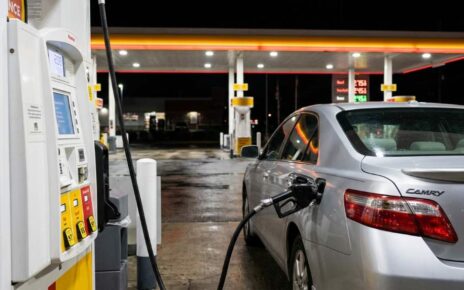


Your car jerks when you press the gas pedal. It’s frustrating. You want smooth acceleration, not a bumpy ride. This issue, often called “car jerking,” affects many drivers. According to the National Highway Traffic Safety Administration, over 20% of vehicle complaints involve engine or transmission issues. Faulty spark plugs or fuel system problems are common culprits. This article explains why your car kicks back when you accelerate. We’ll cover causes, fixes, and tips to keep your vehicle running smoothly.
What Does “Car Kicking Back” Mean?
When your car kicks back, it hesitates or jerks during acceleration. You press the throttle pedal, but the engine stumbles. This can feel like a jolt or a lag in power. It’s not just annoying—it can signal serious issues. Common terms like “car jerks” or “engine misfire” describe this problem. Let’s explore the main reasons this happens.
Common Causes of Car Kicking Back
Many parts of your car work together for smooth acceleration. If one fails, you feel it. Here are the top reasons your car kicks back, based on the most frequent issues drivers face.

1. Faulty Spark Plugs
Spark plugs ignite the fuel-air mixture in the combustion chamber. Worn or dirty spark plugs misfire. This causes the engine to jerk. A 2019 study by the Automotive Research Association found that 15% of engine performance issues stem from faulty spark plugs.
- Signs: Rough idling, poor fuel economy, check engine light.
- Fix: Replace spark plugs every 30,000–100,000 miles. Check your vehicle’s maintenance schedule.
2. Clogged Fuel Injectors
Fuel injectors spray fuel into the engine cylinders. Dirt and debris clog them over time. This disrupts the fuel system, causing uneven acceleration. Clogged injectors reduce engine response and power.
- Signs: Hesitation during acceleration, reduced fuel economy.
- Fix: Use a fuel injector cleaner or have a mechanic clean them professionally.
3. Dirty Air Filters
Air filters keep dirt out of the air intake system. A clogged air filter restricts airflow. This starves the engine of oxygen, leading to poor combustion and jerking.
- Signs: Sluggish acceleration, black exhaust smoke.
- Fix: Replace air filters every 12,000–15,000 miles.
4. Faulty Ignition Coils
Ignition coils send voltage to spark plugs. Weak or failing coils cause misfires. This makes the car jerk when you accelerate. Ignition system issues are common in older vehicles.
- Signs: Engine shaking, loss of power.
- Fix: Test and replace faulty ignition coils at an auto repair service.
5. Vacuum Leak
A vacuum leak lets extra air into the engine. This disrupts the fuel-air mixture. The engine struggles to maintain power, causing jerking or hesitation.
- Signs: Hiss under the hood, rough idling.
- Fix: A mechanic can find and seal the leak.
6. Malfunctioning Mass Airflow Sensor
The mass airflow sensor measures air entering the engine. A faulty sensor sends wrong data to the Engine Control Unit. This causes improper fuel delivery and jerking.
- Signs: Stalling, check engine light, poor acceleration.
- Fix: Clean or replace the mass airflow sensor.
7. Worn Acceleration Cables
The acceleration cable connects the throttle pedal to the throttle body. A frayed or stretched cable delays throttle response. This makes the car jerk when you press the gas.
- Signs: Delayed acceleration, stuck throttle.
- Fix: Replace the accelerator cable or throttle cable.
8. Transmission Issues
Automatic transmissions rely on transmission fluid and the transmission control module. Low or dirty fluid causes gear shifting problems. This leads to jerking during acceleration.
- Signs: Slipping gears, delayed shifts.
- Fix: Check transmission fluid levels. Flush and replace if needed.
9. Faulty Oxygen Sensor
The oxygen sensor monitors exhaust flow. A bad O2 sensor disrupts the fuel-air mixture. This causes the engine to misfire or hesitate.
- Signs: Poor fuel economy, check engine light.
- Fix: Replace the oxygen sensor.
10. Clogged Catalytic Converter
The catalytic converter cleans exhaust gases. Its honeycomb structure can clog over time. This restricts exhaust flow, reducing engine performance.
- Signs: Slow acceleration, sulfur smell.
- Fix: Replace the catalytic converter at a trusted shop like GreatWater 360 Auto Care.
Less Common Causes
Some issues are less frequent but still cause jerking. These include:
- Faulty EGR Valve: A stuck EGR valve disrupts engine performance.
- Bad Fuel Pump: A weak fuel pump starves the engine of fuel.
- Throttle Position Sensor: A faulty sensor misreads throttle input.
- Knock Sensor: A bad sensor causes improper ignition timing.
- Engine Damage: Worn cylinder heads or exhaust manifold porting issues.
- Low Engine Oil Levels: Insufficient oil affects engine response.
- Poor Fuel Quality: Low-grade fuel leads to inefficient combustion.
How to Diagnose the Problem
Diagnosing why your car kicks back takes time. Start with these steps:
- Check the Check Engine Light: Use an OBD-II scanner to read diagnostic trouble codes.
- Inspect Spark Plugs: Look for wear or carbon buildup.
- Check Air Filters: Ensure they’re clean and free of debris.
- Test Fuel System: Verify fuel pump and injector performance.
- Examine Transmission: Check fluid levels and condition.
- Visit a Mechanic: Professional diagnostic services pinpoint complex issues.
Auto enthusiasts often use Repair Guides or Honda Repair Guides for DIY fixes. Forums like Answers Forum offer tips from other drivers.
Fixing the Issue
Once you identify the cause, take action. Here’s a step-by-step guide:
- Replace Worn Parts: Swap out spark plugs, air filters, or ignition coils.
- Clean Components: Use cleaner for fuel injectors or mass airflow sensors.
- Check Fluid Levels: Top off or replace engine oil and transmission fluid.
- Address Vacuum Leaks: Have a mechanic seal leaks.
- Visit a Professional: Shops like Marlin’s Auto Service offer expert vehicle servicing.
Regular maintenance prevents most issues. Follow your car’s maintenance schedule to avoid problems.
Preventing Future Problems
Prevention saves time and money. Try these tips:
- Stick to a Maintenance Schedule: Regular checks catch issues early.
- Use Quality Fuel: High-quality gas improves fuel economy and performance.
- Replace Filters Regularly: Keep air and fuel filters clean.
- Monitor Fluid Levels: Check engine oil and transmission fluid monthly.
- Drive Smoothly: Avoid aggressive acceleration to reduce wear.
When to See a Professional
Some fixes require expertise. Visit a mechanic if:
- The check engine light stays on.
- Jerking persists after basic repairs.
- You suspect transmission or engine damage.
- You’re not comfortable with DIY fixes.
Shops like Paradise Car Care offer reliable auto repair services. They use advanced diagnostic tools to find and fix issues.
Read Also: Waterproof & All Weather Car Covers would like to know more about it?
Why It Matters
A car that kicks back isn’t just annoying—it’s a safety issue. Jerking can cause loss of control, especially at high speeds. According to the U.S. Department of Transportation, 10% of accidents involve vehicle malfunctions. Fixing the problem ensures safe driving.
Interesting Fact
Did you know a clogged catalytic converter can cut engine power by up to 30%? This surprising stat shows how small parts impact performance. Regular vehicle inspections catch these issues early.
FAQs
Why does my car jerk only at low speeds?
Low-speed jerking often points to faulty spark plugs or a vacuum leak. Check these first.
Can bad fuel cause my car to kick back?
Yes. Poor fuel quality affects combustion, leading to engine misfires and jerking.
How much does it cost to fix a jerking car?
Costs vary. Spark plug replacement is $100–$200. Transmission repairs can exceed $1,000.
Is it safe to drive a car that jerks when accelerating?
It’s risky. Jerking can signal serious issues. Get it checked to avoid safety issues.
Can I fix the jerking issue myself?
Simple fixes like replacing air filters are DIY-friendly. Complex issues need professional help.
Conclusion
A car that kicks back when accelerating is frustrating. Common causes include faulty spark plugs, clogged fuel injectors, or transmission issues. Diagnose the problem with an OBD-II scanner or a mechanic’s help. Regular maintenance prevents most issues. Don’t ignore jerking—it’s a safety concern. Visit a trusted auto repair service like GreatWater 360 Auto Care for expert help. Drive smoothly and safely today.
Schedule a vehicle inspection with a local mechanic to fix your car’s jerking. Don’t wait—ensure safe driving now!
References:
- National Highway Traffic Safety Administration: https://www.nhtsa.gov
- U.S. Department of Transportation: https://www.transportation.gov
- Automotive Research Association: https://www.ara.com
- Repair Guides: https://www.repairguides.com
- Answers Forum: https://www.answersforum.com